System Design
Custom AI and Computer Vision system design for industrial applications — tailored to your real-world needs
Start with site assessment and an agreed scope before selecting hardware, integrating data and planning handover.
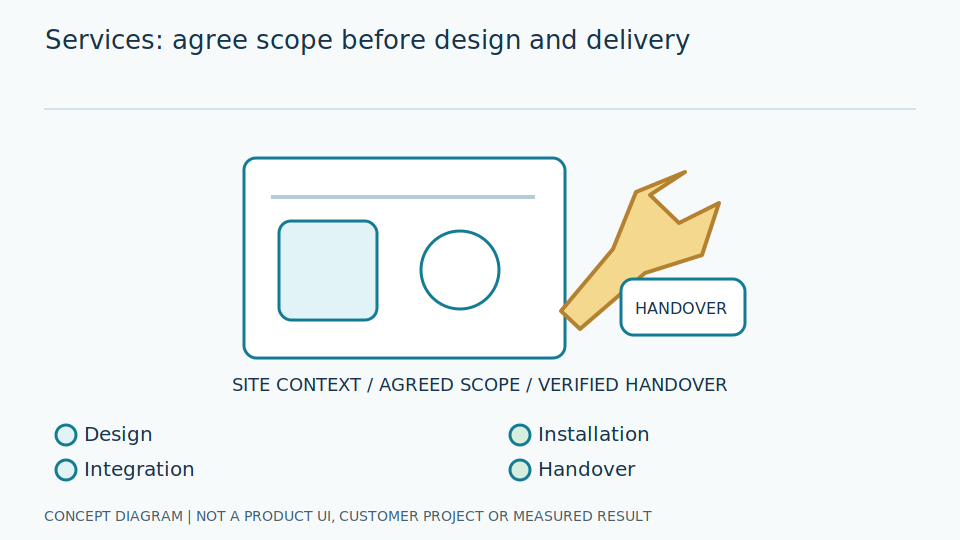
Conceptual illustration, not a product screenshot or measured result.
These topics help plan a project. Scope, timing, costs, warranty and service levels must be agreed in the project proposal; this page does not set contractual terms.
Custom AI and Computer Vision system design for industrial applications — tailored to your real-world needs
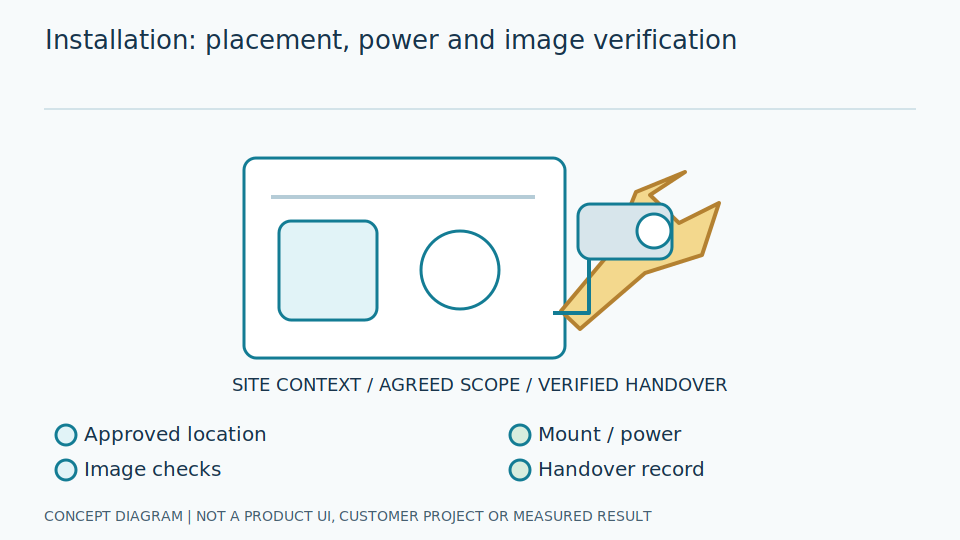
Professional AI Camera, Edge Device, and Software installation for factories
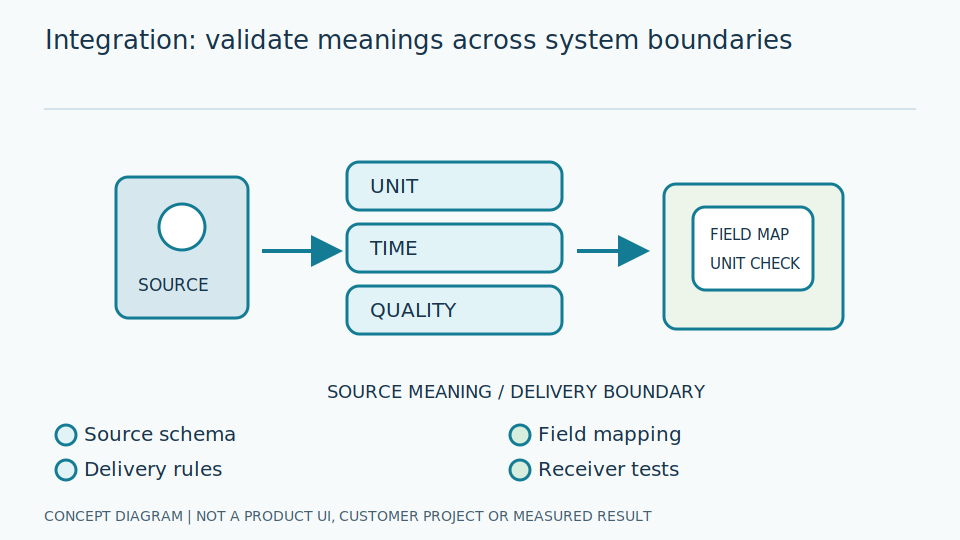
Connect AI with existing systems — SCADA, MES, ERP, BMS, IoT Platform
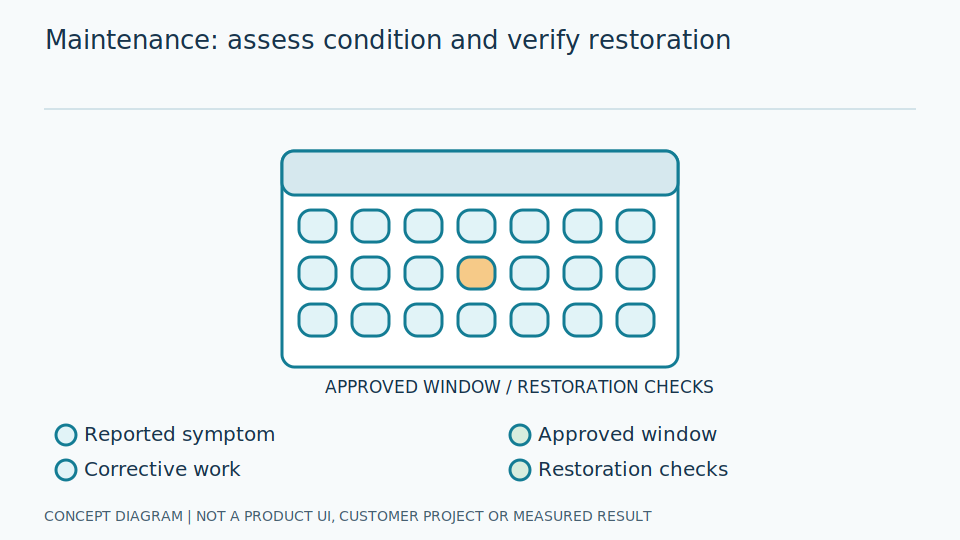
AI system care and maintenance — Preventive, Corrective, Software Updates
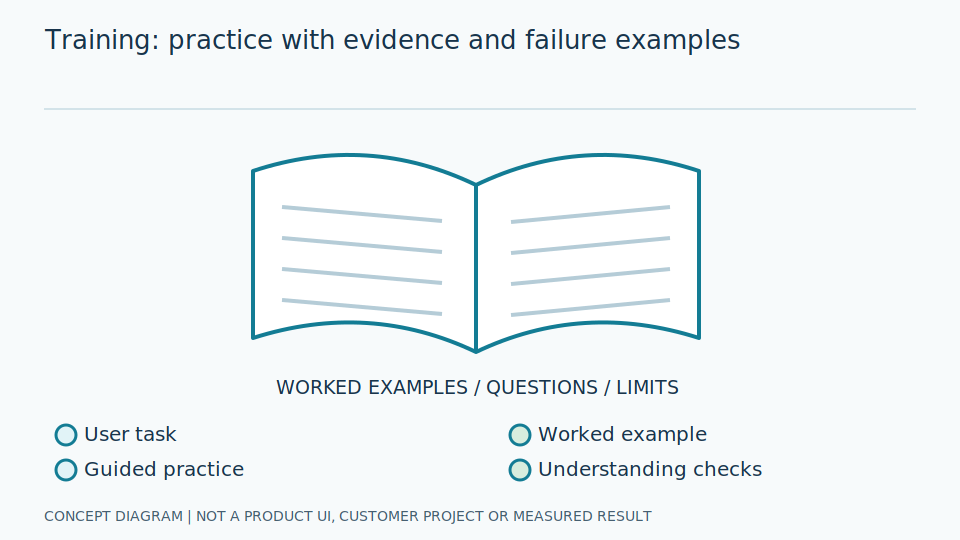
AI system training — Operator, Engineer, Management levels
AI data analytics and reporting — Dashboard, Trend Analysis, Custom Reports
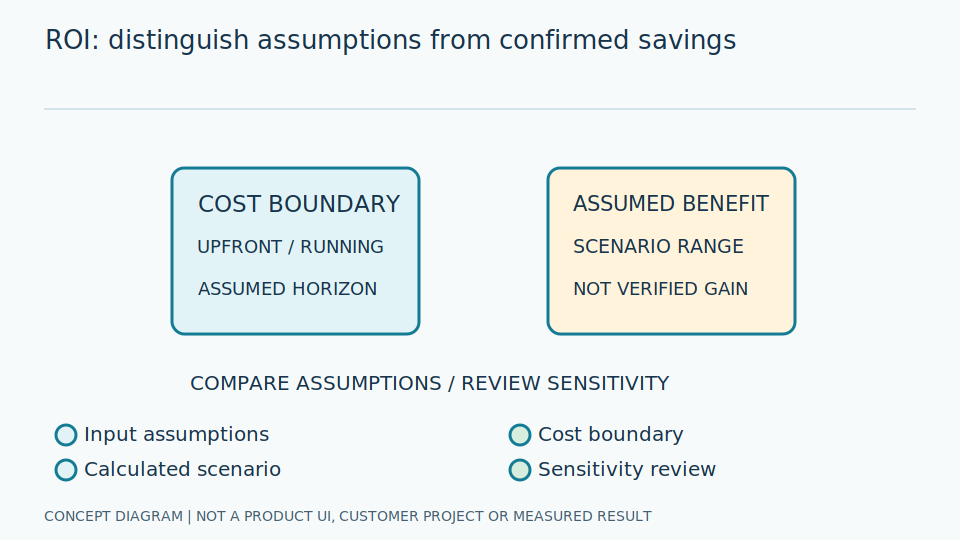
Estimate potential time savings, net annual benefit and simple payback from your own assumptions, not a quotation or guaranteed return.
An industrial vision project includes design, installation, integration and ongoing care. Select services from the current uncertainty. If image feasibility is unknown, begin with a survey and trial rather than specifying full-site installation.
Design defines scope and acceptance; installation establishes imaging and infrastructure conditions; integration makes results usable in existing work. Each stage needs different inputs and handover evidence. Clear boundaries help identify responsibility when a problem occurs.
Service explanations describe working methods and discussion points, not contractual guarantees of delivery, warranty or response times. Commercial details must be confirmed with an SI partner for the actual site, equipment and agreed scope.
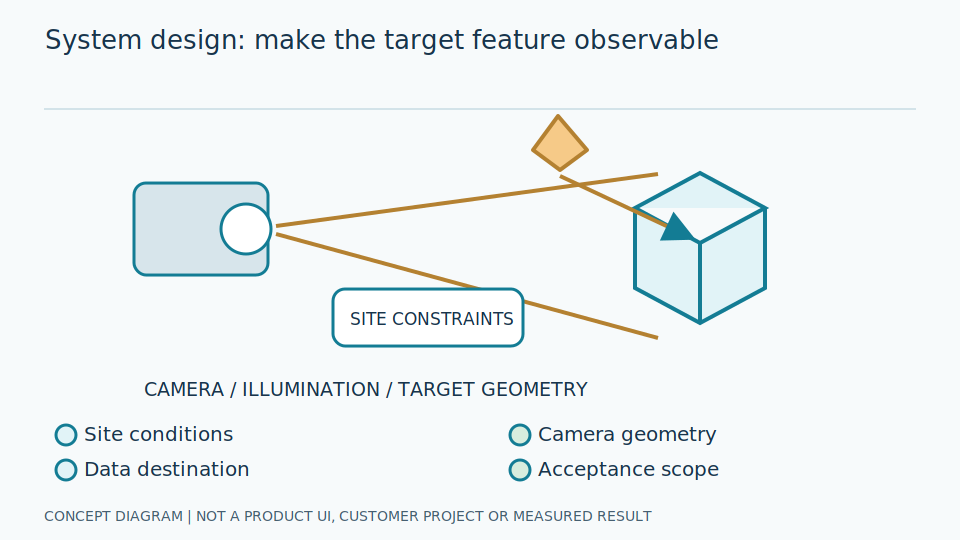
Describe the process, reading points, equipment quantities and problems with the existing method. Include access, power, networking and shutdown constraints. These often affect design and cost more than selecting a model name.
For an existing receiving system, provide its name, version, data format and a responsible owner who can confirm access. Initial inquiries do not require passwords or production access. Begin with shareable information and agree on testing arrangements later.
Define reproducible acceptance evidence, including agreed examples, authorized outage tests and documents needed by maintainers. Establishing these early prevents a successful demonstration from being mistaken for proof across every operating condition.
Read published articles on principles, limitations and system evaluation.