
IoT is a data path, not simply an internet connection
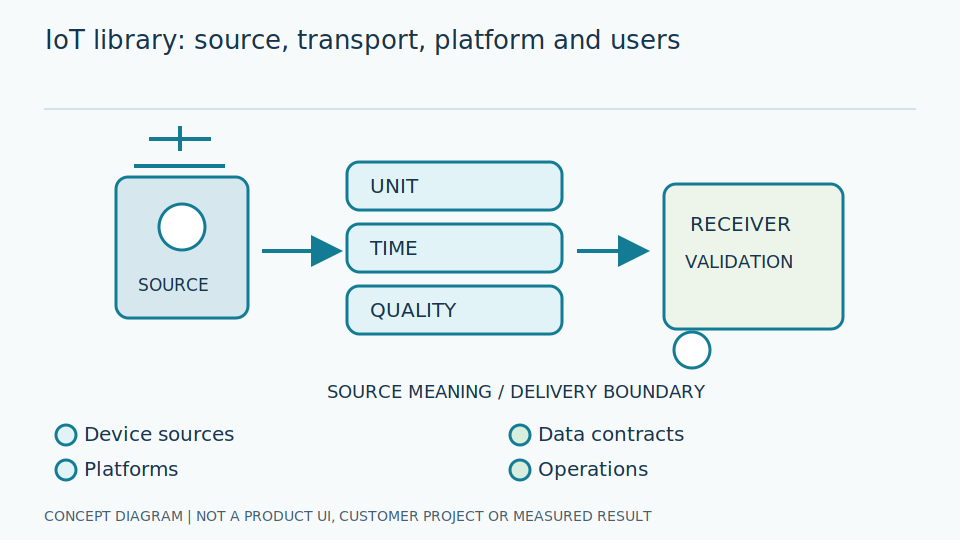
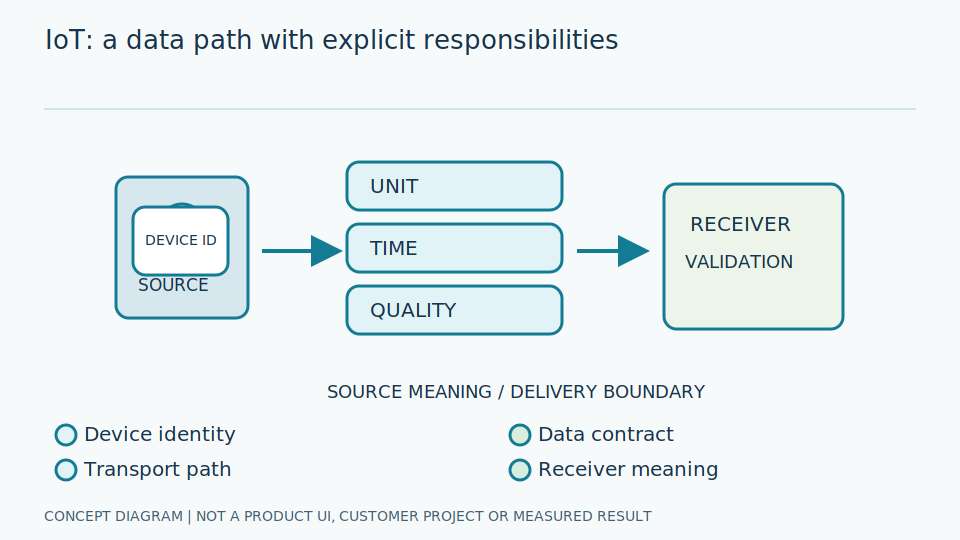
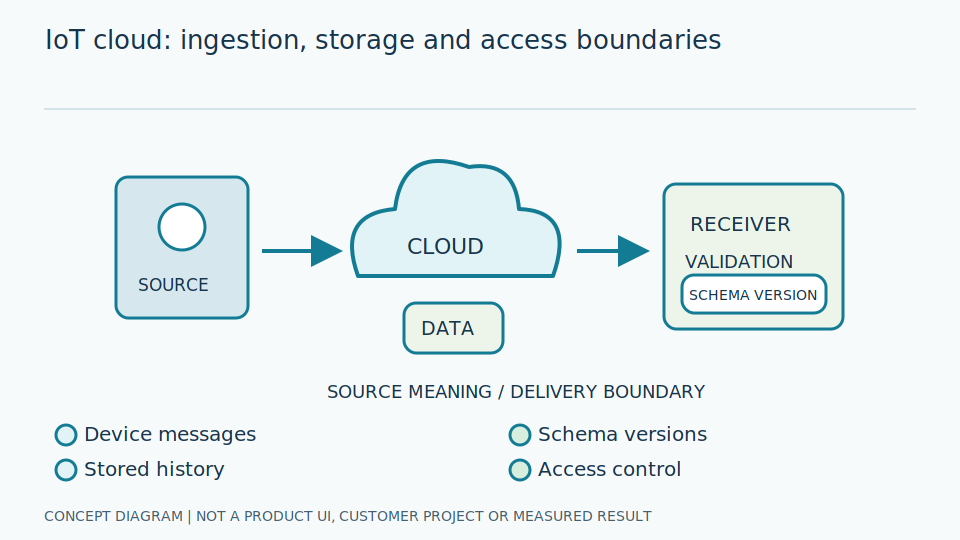
After a camera or sensor produces a result, it must reach the right user at the right time. IoT includes device identity, communication, storage and presentation. Some systems operate entirely within a local network; IoT does not imply uploading every image to the cloud.
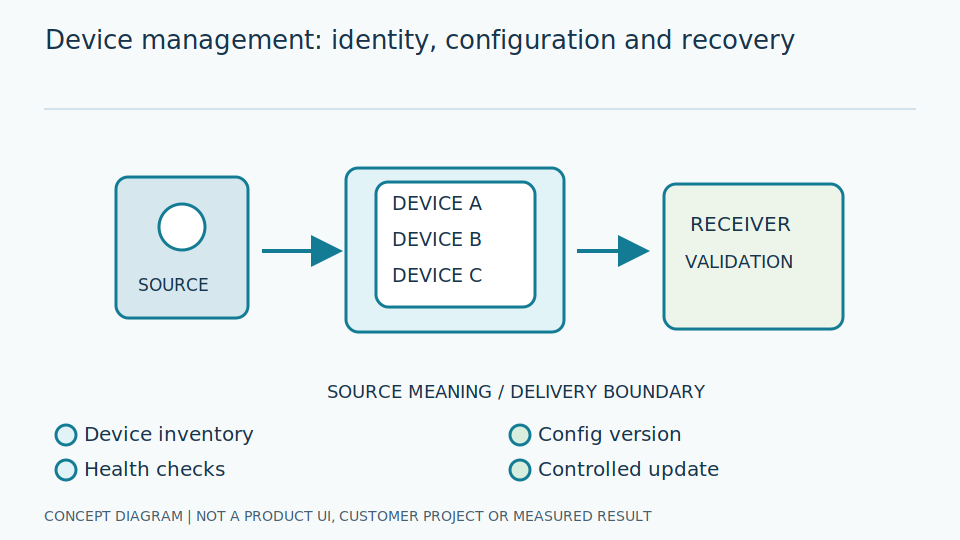
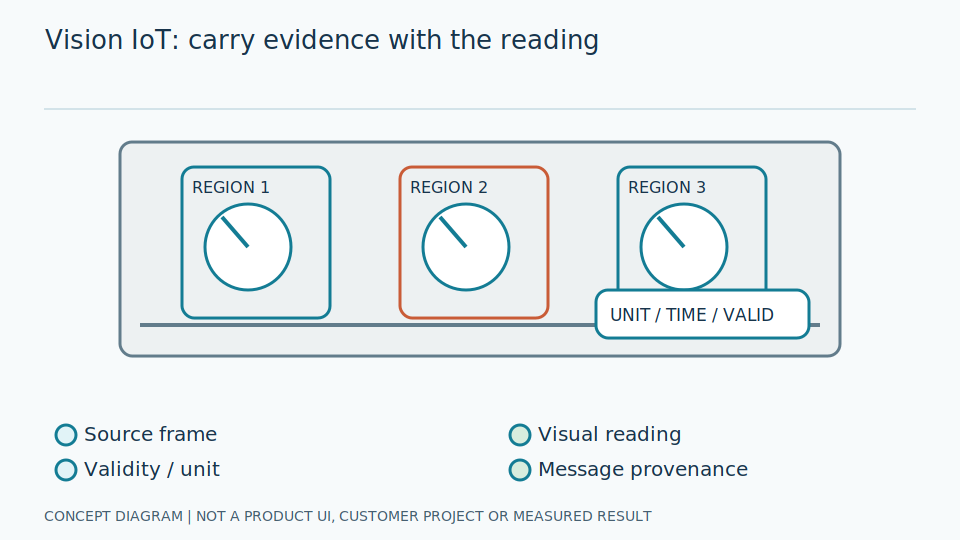
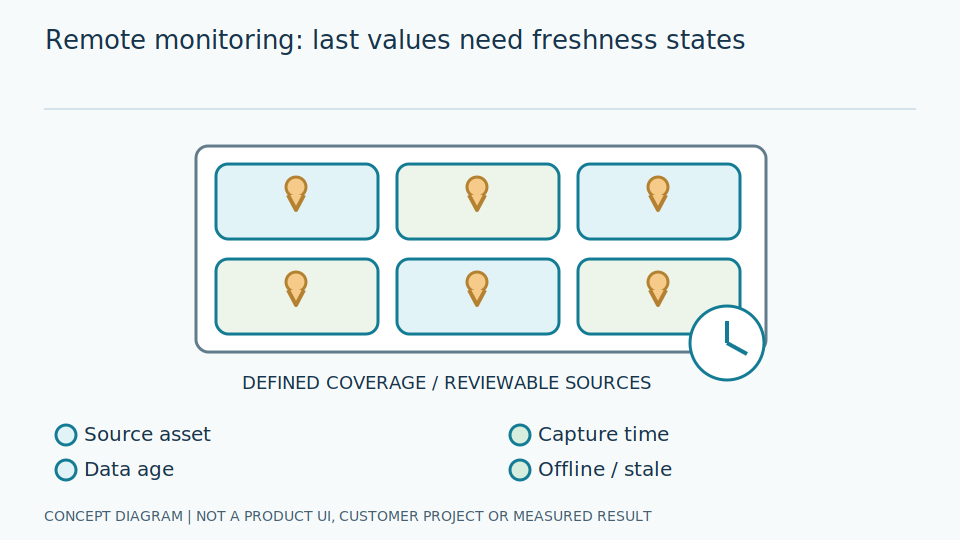
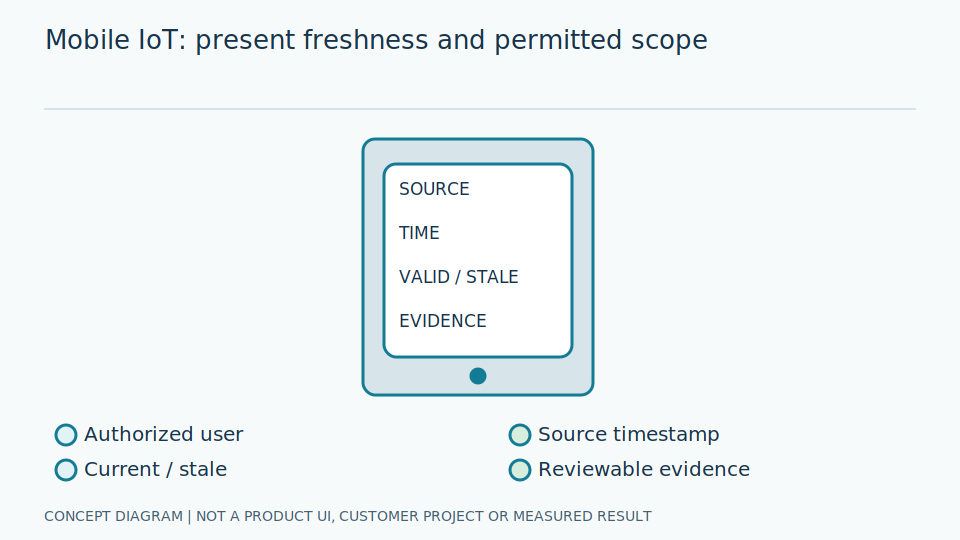
Follow the source through gateways, platforms and dashboards to understand each responsibility. A correctly read number can still be misinterpreted if units disagree, clocks differ or the receiving screen presents an old value without showing its age.
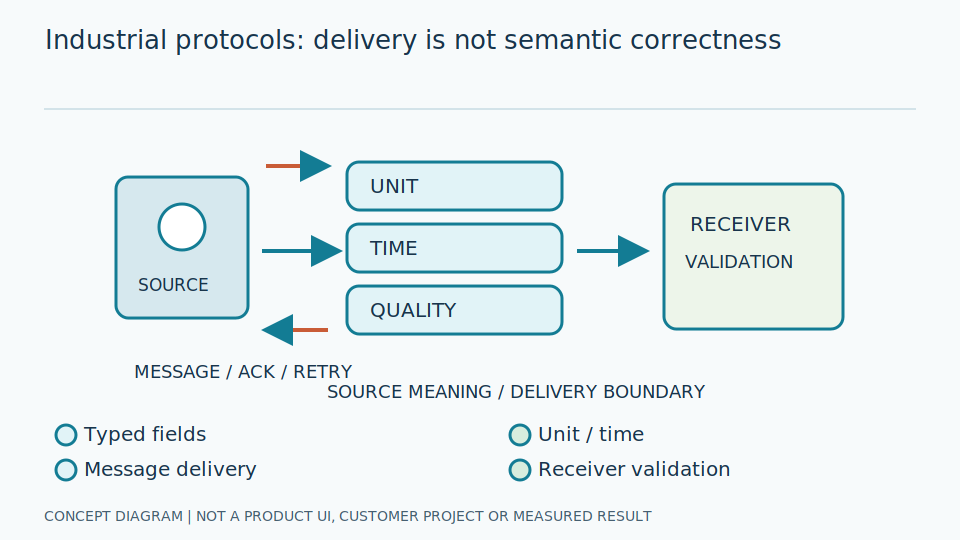
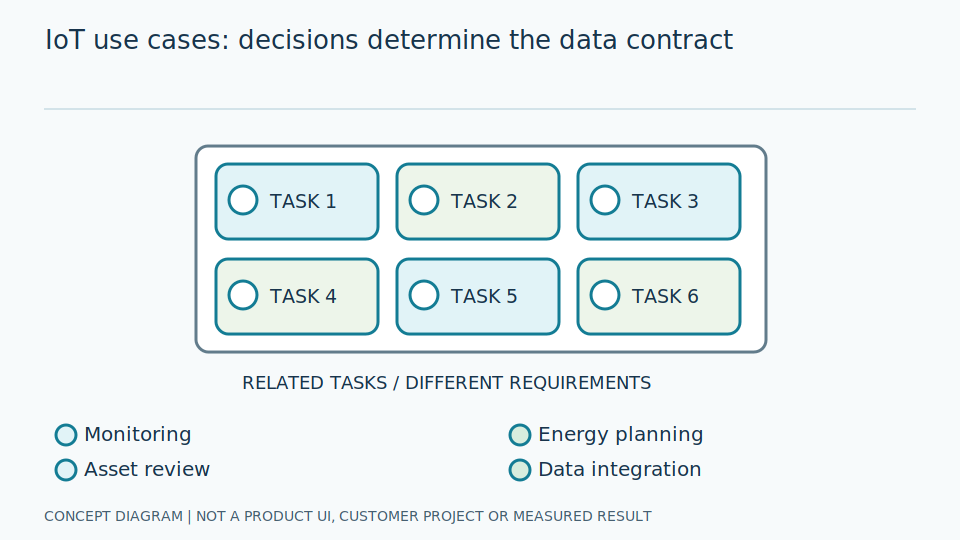
Engineers should agree on a data contract before selecting a protocol. Define field names and types, units, time, validity and duplicate-event identity. Successful message delivery is only one stage; it does not prove that the business system stored or used the result correctly.
Design for the day the network is unavailable
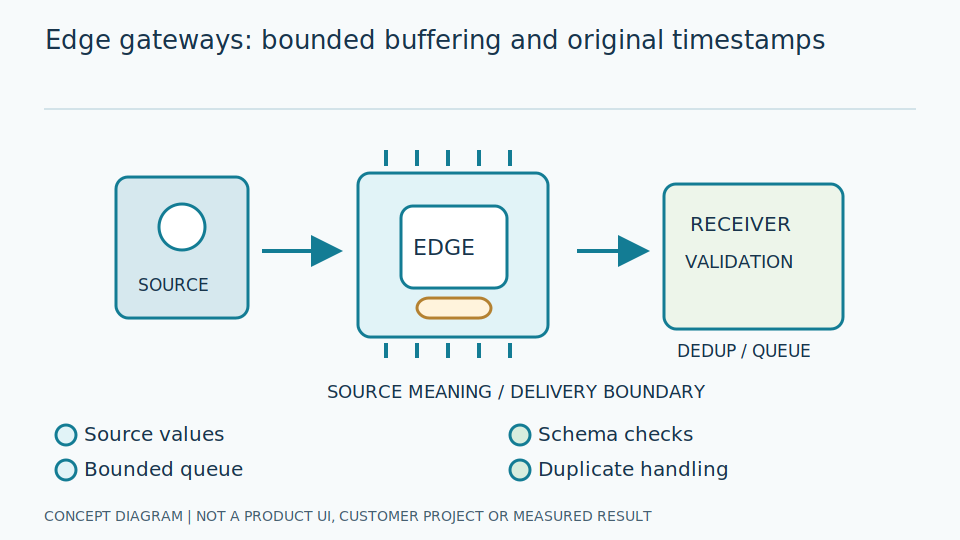
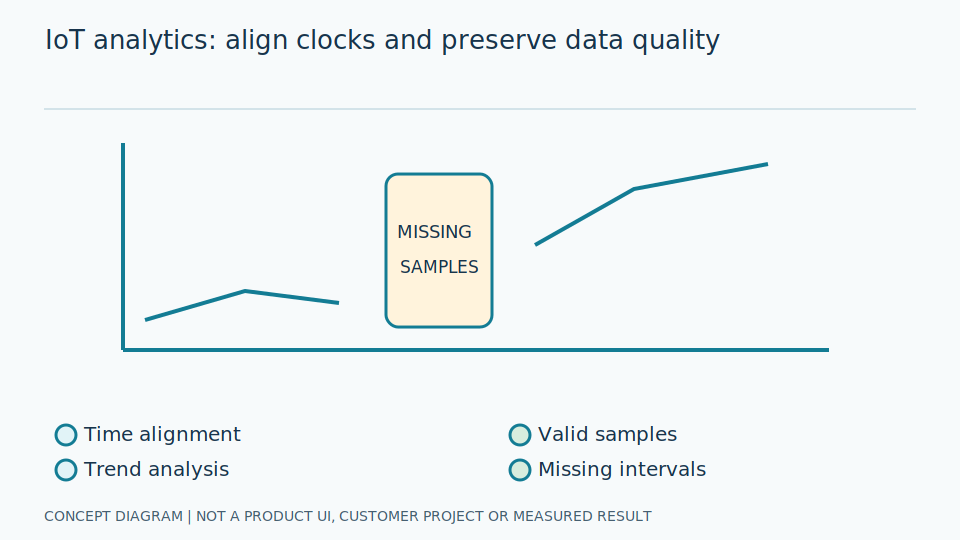
Explain what happens during cable loss, power interruption or a slow receiver. Buffering and later transmission can preserve history, but recovered observations must retain their original capture time rather than appearing newly measured.
Retries can count one event multiple times. Use event identifiers and explicit duplicate handling. Distinguish offline devices, stale values and unreadable observations because they need different responses. Users should not have to infer the cause from a blank field or color alone.
Study network separation, permissions and monitoring alongside transport methods. These articles are design guidance, not confirmed protocol lists or SLA commitments. Check actual device manuals, versions and access with the existing system owner before integration.