





Choose a solution from the decision it should support
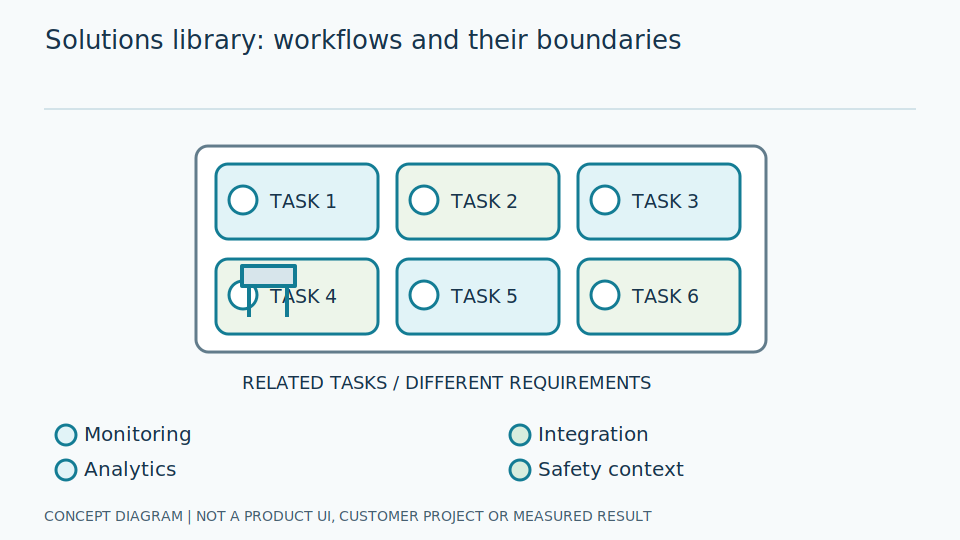
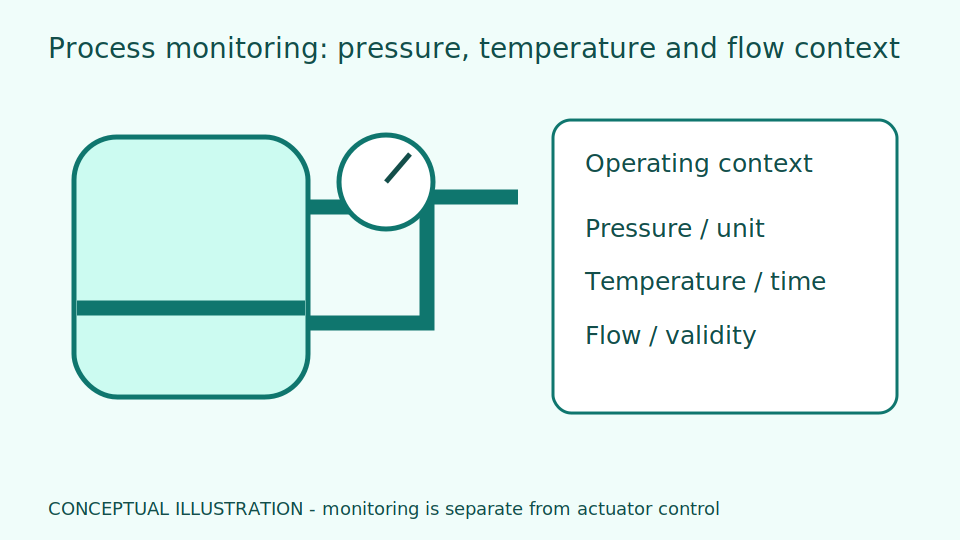
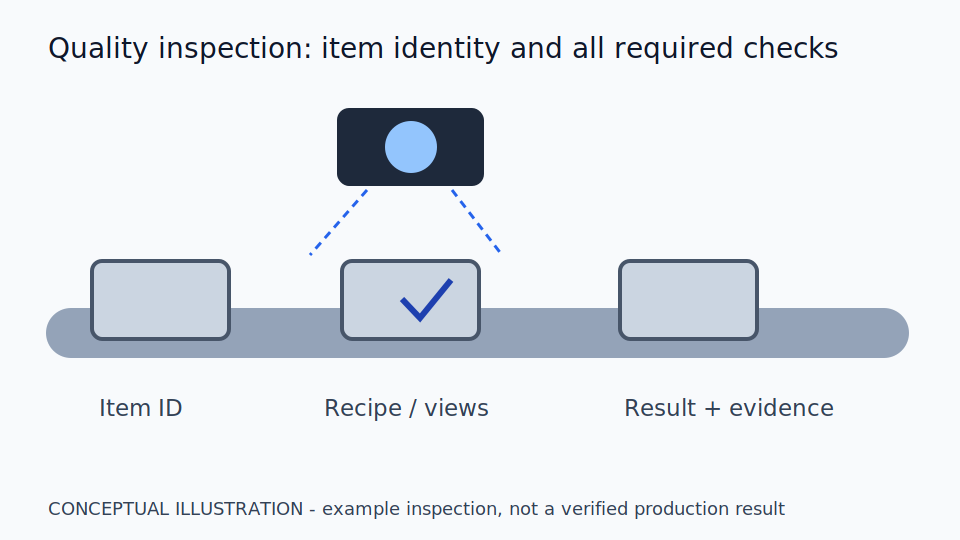
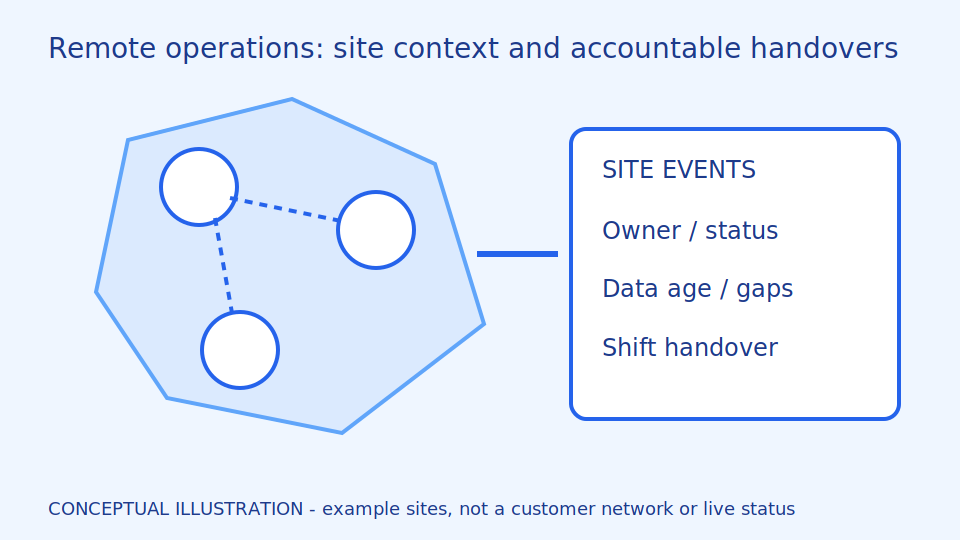
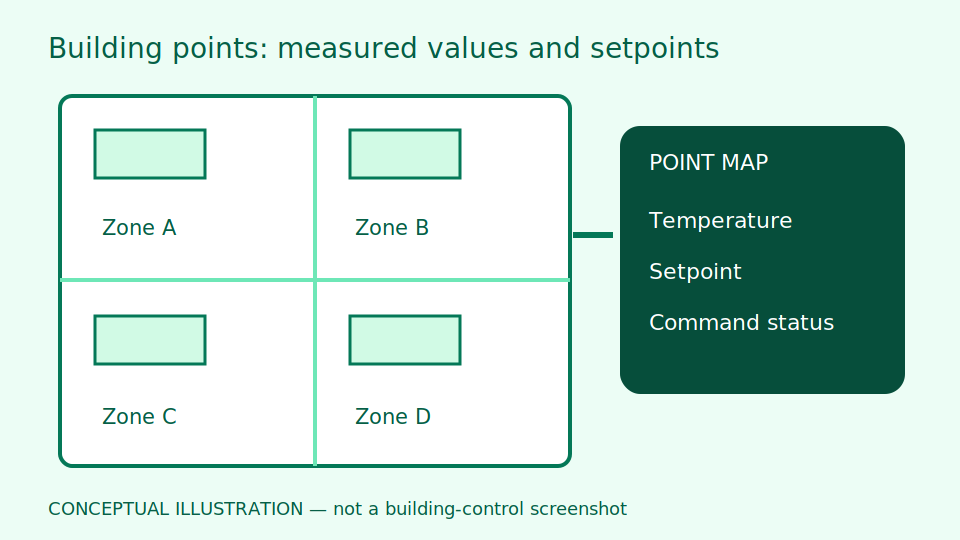
A solution begins with user work: tracking readings, inspecting products or reviewing events. Similar cameras and models can support different tasks, but outputs, ownership and consequences of errors differ. Start with how the result will be used.
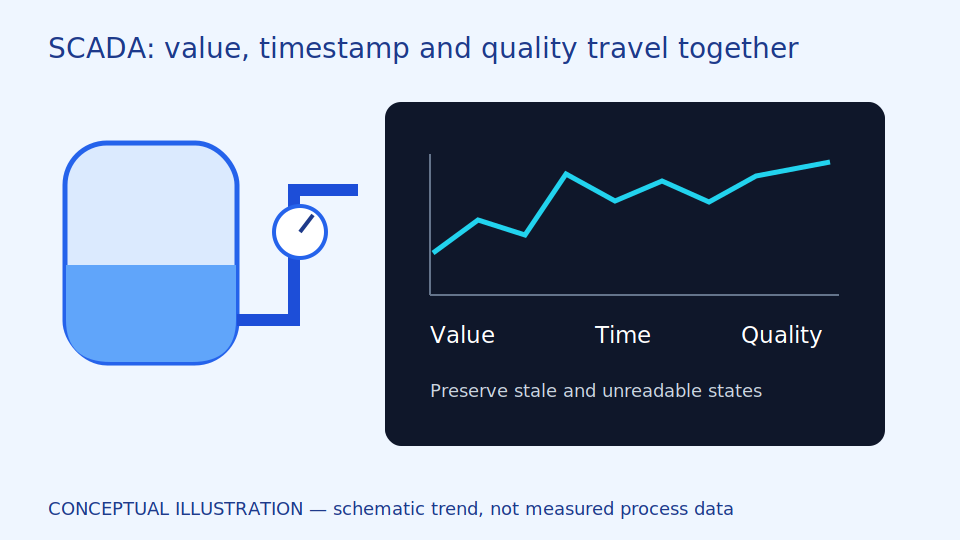
Describe the current problem and method in one short statement, including constraints. Periodic transcription that misses changes between rounds, for example, suggests a history requirement. History, notification and control are different functions and need not belong to the same initial scope.
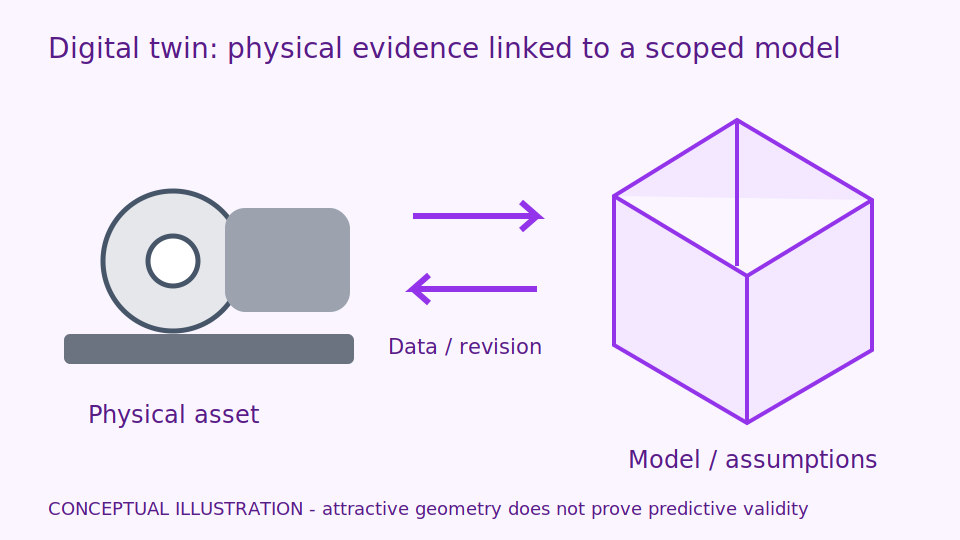
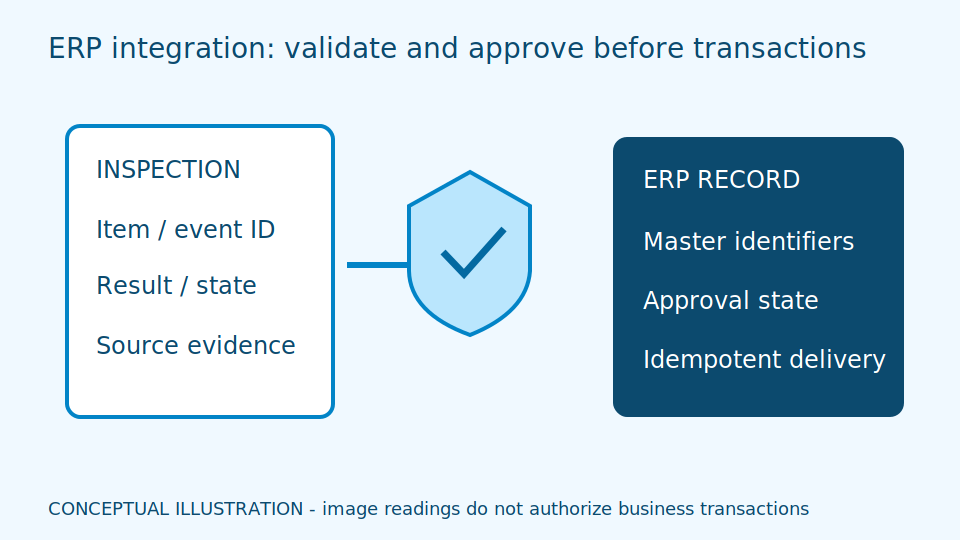
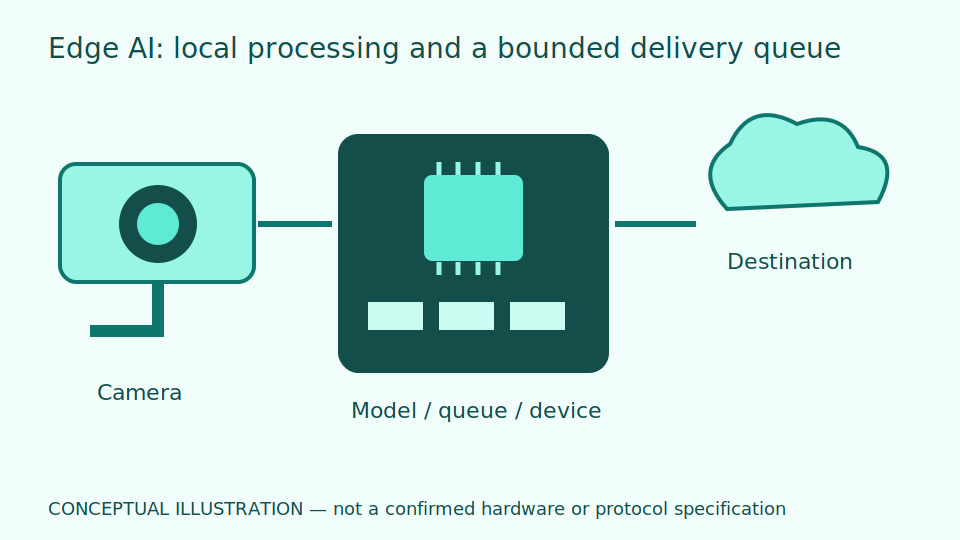
Read principles, inputs, trial steps and limitations together before comparing alternatives. Design examples illustrate a possible workflow, not confirmed customer projects or proof that every component shown has already been delivered.
Agree on scope and acceptance in a shared vocabulary
Terms such as readable and real-time are insufficient for acceptance. Specify data types, image conditions, observation frequency and delivery deadlines. Agree whether an obscured observation should be rejected, flagged or reviewed rather than requiring a response on every frame.
Connect metrics to consequences. Inspection may prioritize defective items that escape detection, while recording values also needs error and completeness measures. One score across every solution can conceal the most important risks.
Separate feasibility trials, shadow operation and deployment within confirmed scope. Agree with the SI partner on ownership of data, cameras, receivers and changes after handover. This evaluates maintainability as well as demonstration performance.