
Read feedback alongside its operating context
Feedback explains user experience but cannot replace acceptance testing. Benefits depend on previous methods, reading-point counts and maintenance. Understand whether an account concerns a trial or sustained operation before comparing it with your project.
Claims of saved time or improved efficiency need a method and reference period. Less transcription does not necessarily eliminate inspection rounds, which may include other checks. Satisfaction does not prove every reading is correct or appropriate for safety functions.
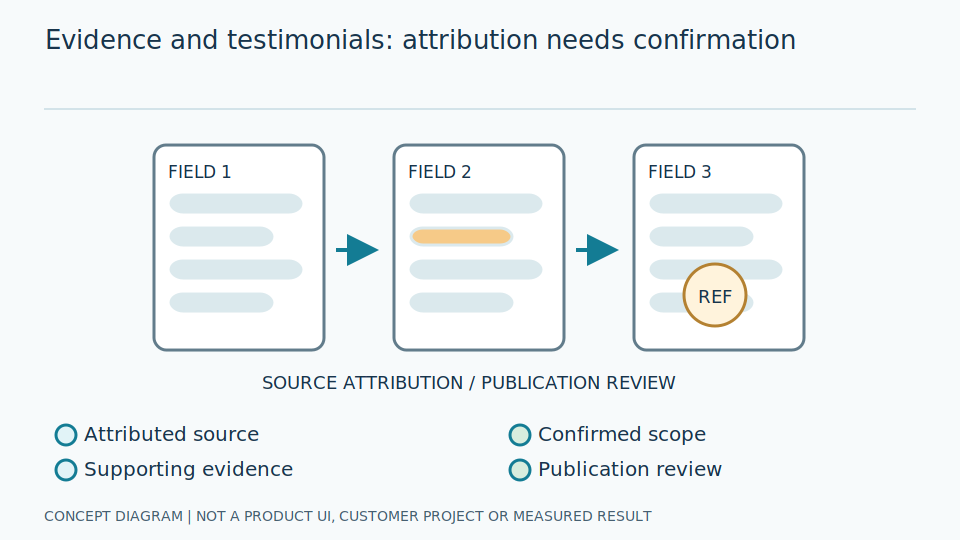
These explanations add no invented quotations, customers or projects. Specific testimonials and case studies need factual records and publication permission. Engineering examples elsewhere are not statements from actual customers.
Evidence that makes experience useful elsewhere
A useful case study explains the original problem, installed scope, image conditions and comparable before-and-after measurements. This helps readers identify transferable lessons and conditions needing new trials.
Review limitations as well as successes, including reflections, product changes and connectivity loss. Explicit constraints help estimate maintenance effort better than general endorsements without conditions.
Define your own baseline and acceptance with an SI partner. Other experience can inform questions, but it does not replace evidence from the actual data and installation conditions of your project.