
Principles, Scenarios and Suitability
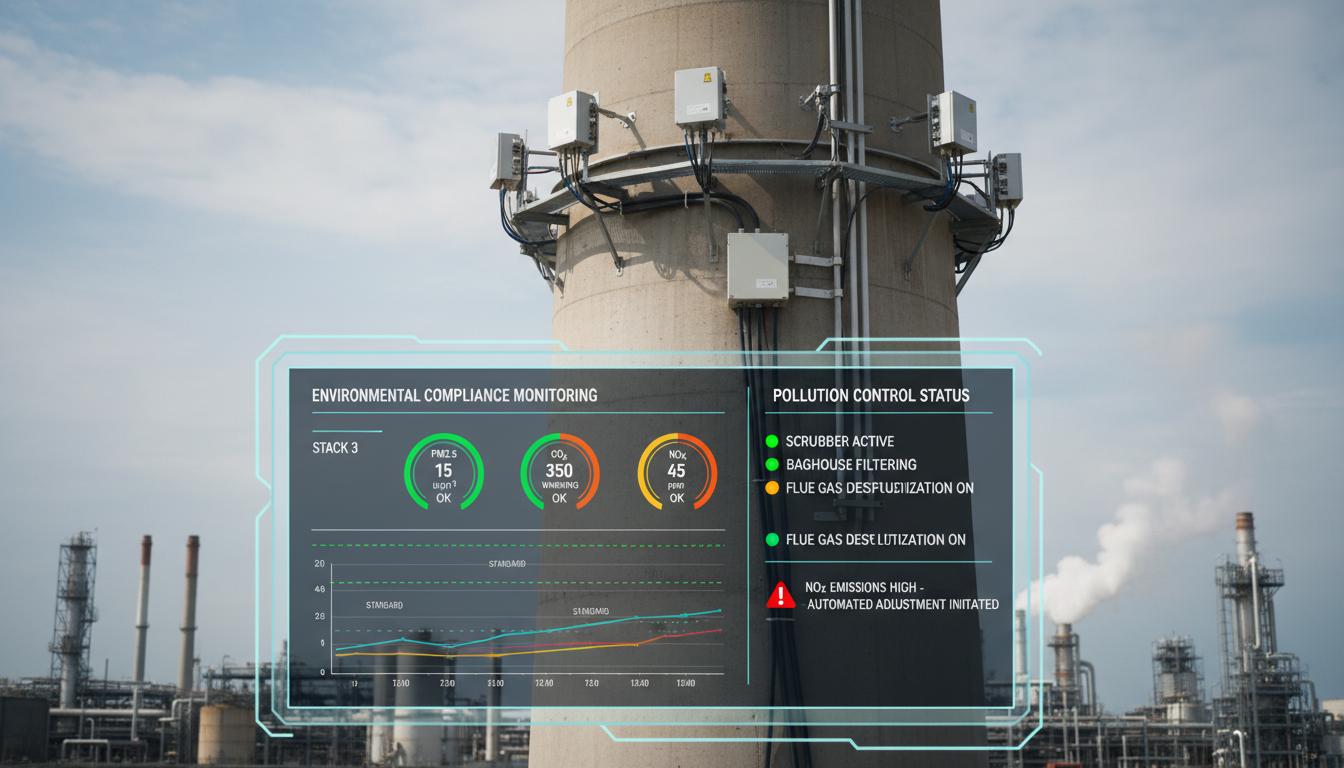
Environmental data supports trend monitoring and evidence preparation, but compliance depends on permits, measurement methods and the applicable jurisdiction. Reading an instrument display from an image does not turn its data into a legally certified analytical result.
Distinguish observing a trend from submitting a report. Compliance means meeting the actual requirements, which may specify sampling points, averaging methods and instrument qualifications. A correctly read display does not establish that measurement met those conditions. Data supports evidence review; a dashboard colour must not imply legality or safety in every respect.
Sampling must represent what is being studied. Concentration units may use different temperature, pressure or dry-basis references. Combining values without converting their basis changes the report's meaning. Frequent readings reveal short events but add quality-review work. Choose according to requirements and monitoring questions, retaining raw records and exclusions during maintenance for later checking.
Scroll the diagram horizontally to inspect all details.
Illustrative Design Scenario
Illustrative design scenario: combine air-quality readings with calibration history and repair periods. The responsible reviewer verifies averaging rules and reference conditions against reporting requirements before the data is used in a submission.
Suppose an instrument stops for calibration. An average from remaining readings may be calculable but still lack the completeness required for reporting. Do not fill downtime with zero to lower the average. If substitution is permitted, identify its source and calculation method, with traceable approval by the responsible person.
Staff may produce an internal trend showing gaps or defer an external report while gathering evidence under the required procedure. Actual requirements determine the choice, not the software. Test conversions and averaging against datasets with known answers. Reviewers should trace results to raw records; never create excessive emissions to obtain examples.
Inputs and Prerequisites
Prepare substances, units, sampling methods, temperature and pressure reference conditions, permits and calibration logs. Distinguish substituted data from measurements and retain evidence of corrections.
Store instrument identifier, measurement point, time and calibration status with each value. Record the version and date of requirements confirmed by the responsible person. Overseas article criteria must not automatically become acceptance limits for the actual site.
Output should be a draft stating units, reference basis, averaging method and completeness, with corrections and reviewers identified. Explain rejected-quality data. Do not hide gaps behind a continuously connected chart, since an apparently unbroken trend can imply measurements that never occurred.
Trial and Integration Workflow
- 1Create a requirements and calculation table approved by the responsible person.
- 2Check units, quality flags and maintenance periods before averaging.
- 3Produce a draft report traceable to raw records for human review and approval.
Evaluation and Acceptance Criteria
Reconcile reports with raw records and reference methods. Check completeness and the effect of missing periods. Test units and historical corrections, separating information-system quality criteria from permit criteria that must be confirmed for each site.
Completeness concerns expected measurement intervals, not total row count. Test averaging with unequal interval lengths so a period sampled more frequently does not receive disproportionate weight without justification. State the applicable weighting rule alongside the result.
Environmental staff should review formulas and retrospective correction trails and reproduce reports from the same versions. Passing software checks does not validate the physical measurement method or replace the approval duties governing a real submission.
Scroll the diagram horizontally to inspect all details.
Failure Cases and Limitations
Low-cost sensors may respond to humidity or interfering substances and do not replace reference instruments. Charts and reports do not certify compliance. Overseas references explain concepts; they do not replace Thai legal requirements or advice from responsible professionals.
An interfering substance can produce a response resembling the target substance. Review conditions and calibration before attributing an increase. One number without context does not establish its cause or health risk; it identifies a question requiring investigation.
Limit site information and incidental images of people to the purpose. Future reporting or notification features are study proposals, not a document-submission service or legal assurance. They do not replace the site's emergency plan or primary monitoring arrangements.
Practical Checklist
- Does every criterion reference requirements applicable to the actual site?
- Is substituted data labelled separately from measured data?
- Are reports reviewed with a traceable correction history?